Plan Your Lighting Around Each Room, Your Needs, and Daily Life

Plan Your Lighting Around Each Room, Your Needs, and Daily Life
Lighting is much more than a practical necessity. It shapes the atmosphere, energy, and functionality of your home. The right lighting can make a room feel larger, cozier, or more focused—depending on how you use it. Good lighting design isn’t just about style; it’s about planning around each room, your needs, and your daily routines.
Start by Understanding Each Room’s Purpose
Every room has its own rhythm and function, and your lighting should reflect that. A kitchen needs bright, task-oriented light, while a living room benefits from flexible lighting that can shift from lively to relaxing.
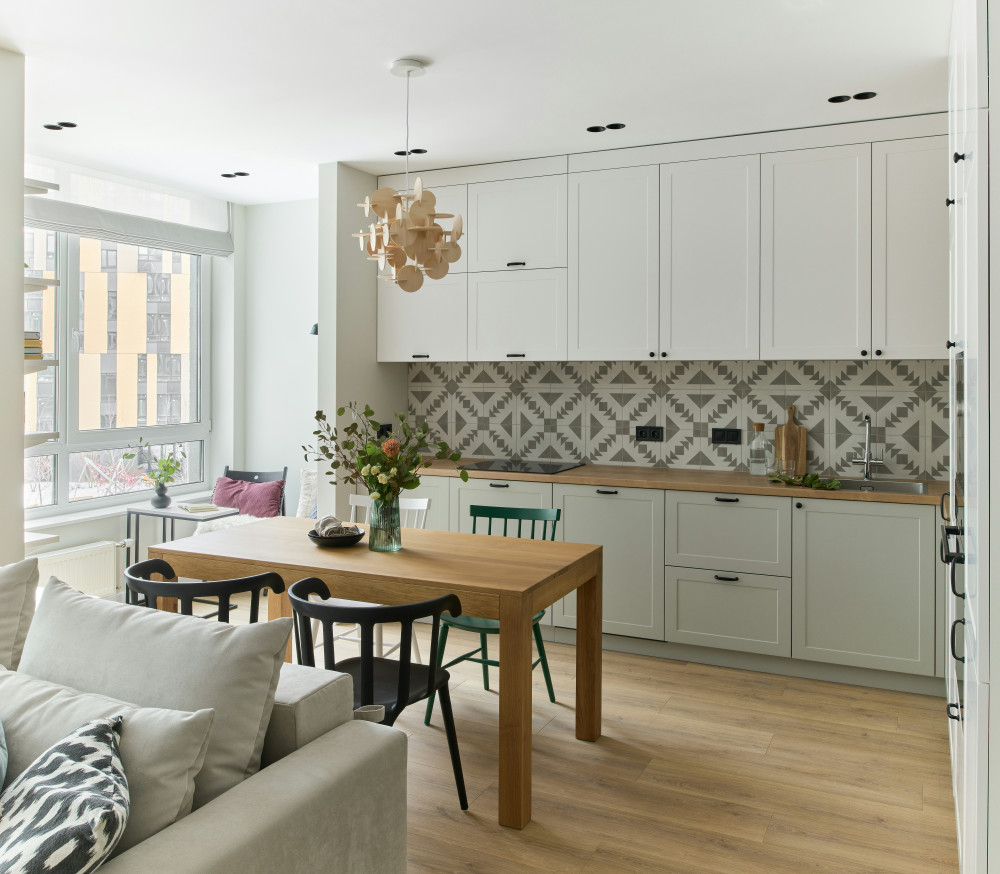
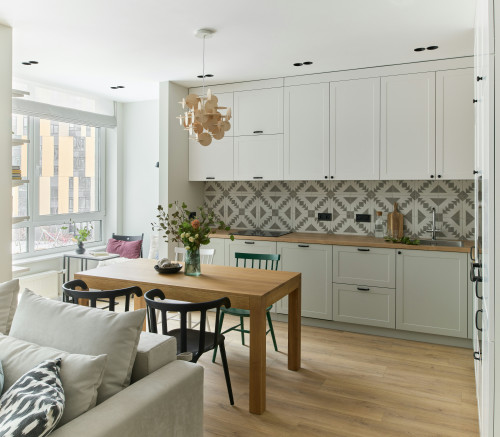
- Kitchen: Functionality is key. Make sure you have bright, even task lighting over countertops and the stove—recessed LEDs or pendant lights work well. Combine this with softer lighting over the dining area to create a more inviting atmosphere.
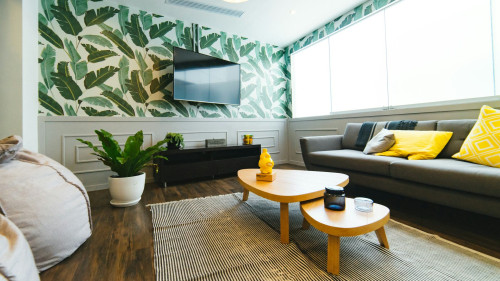
- Living Room: This is a multipurpose space that calls for layered lighting. Mix ceiling fixtures, floor lamps, and table lamps so you can adjust the mood—from reading light to a warm evening glow.
- Bedroom: Aim for calm, warm light. Choose dimmable lamps and place them so you can read comfortably in bed without disturbing your partner.
- Bathroom: Bright, white light around the mirror is essential for grooming, but add softer lighting elsewhere to make the space more relaxing in the evening.
- Entryway: Often overlooked, but it’s the first impression of your home. A good ceiling fixture paired with a wall sconce or motion-sensor light provides both function and a welcoming feel.
Think in Layers—and Build Flexibility
A well-designed lighting plan includes three layers: ambient, task, and accent lighting. Ambient lighting provides general illumination, task lighting focuses on specific areas, and accent lighting adds depth and character.
By combining these layers, you can adapt the lighting to different situations. Use dimmers or smart bulbs to easily switch from bright task lighting to a softer, more relaxing glow with the touch of a button.
Make the Most of Natural Light
Daylight is the most comfortable and energy-efficient light source you have. Plan your lighting to complement natural light rather than compete with it. Place work areas near windows, and use light curtains that let sunlight filter through.
In the evening, switch to warm light (around 2700 kelvin) to create a natural transition to nighttime. This helps your body wind down and supports better sleep.
Læs også:
Choose the Right Light Sources
LED technology has made it easier to find energy-efficient options, but quality and color temperature still matter. Keep these factors in mind when choosing bulbs:
- Color Temperature: Warm light (2700–3000 K) creates a cozy feel, while cooler light (4000 K and above) suits workspaces.
- Color Rendering (CRI): The higher the CRI, the more accurately colors appear. Look for CRI 90 or higher in areas where color matters—like the kitchen or bathroom mirror.
- Brightness: Measured in lumens. Kitchen counters typically need 500–700 lumens per square meter, while living rooms can get by with less.
Use Lighting as a Design Element
Lighting can highlight your home’s best features. A well-placed fixture can draw attention to architectural details, artwork, or textures. Use indirect lighting—such as behind shelves or under cabinets—to add depth and softness.
Also, consider how light flows through your home. A cohesive lighting plan, where color temperature and style are consistent, creates a sense of harmony and balance.
Adapt Lighting to Your Daily Life
Your daily routine changes—and your lighting should be able to keep up. Smart lighting systems let you program different scenes: one for morning routines, another for work, and a third for winding down at night. This not only saves energy but also enhances comfort.
If you prefer to keep things simple, you can still achieve flexibility with dimmers, motion sensors, and lamps that offer multiple brightness levels.
Lighting as a Part of Well-Being
Ultimately, good lighting is about quality of life. It affects your mood, focus, and sleep. By planning your lighting around each room, your needs, and your daily life, you can create a home that both functions beautifully and feels just right—from morning to night.
Læs også: