Make the Most of Daylight and Natural Ventilation – How to Create a Healthier Home

Make the Most of Daylight and Natural Ventilation – How to Create a Healthier Home
A home filled with natural light and fresh air doesn’t just look inviting—it can also make a real difference for your health, comfort, and energy use. Light and air affect our mood, sleep, and concentration, and by making the most of what nature provides, you can reduce your reliance on artificial lighting and mechanical ventilation. Here’s how to create a healthier, more comfortable home by embracing daylight and natural airflow.
Why Daylight Matters
Daylight is more than just illumination. It helps regulate our body clock, boosts energy levels, and can even support our immune system. People who spend time in well-lit spaces often report better moods and less fatigue.
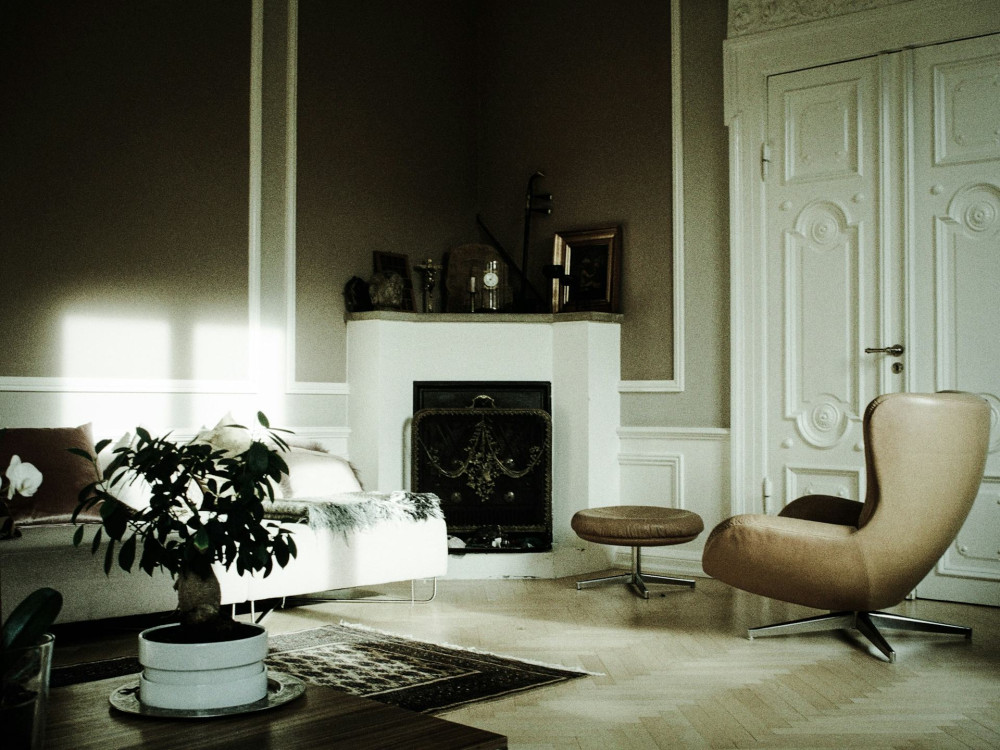
In many American homes, windows are underused, or heavy drapes and dark colors block the light. By opening up your space to daylight, you can make your home feel brighter and more welcoming.
- Keep windows clean – even a thin layer of dust or grime can significantly reduce the amount of light that enters.
- Use light colors on walls and ceilings – they reflect light and make rooms feel larger.
- Rearrange furniture – avoid placing tall bookcases or large plants in front of windows.
- Add mirrors – they can bounce daylight deeper into the room.
If you’re remodeling, consider enlarging window openings or adding skylights, especially in darker areas like hallways or bathrooms. In southern states, you might also think about using window films or exterior shading to control glare and heat while still letting in plenty of light.
Natural Ventilation – Fresh Air Without Wasting Energy
Good indoor air quality is just as important as good lighting. Poor ventilation can lead to moisture buildup, mold, and high levels of carbon dioxide, which can make you feel tired and unfocused.
Natural ventilation uses wind and temperature differences to move air through your home—no fans or mechanical systems required.
- Air out your home several times a day – opening windows for just a few minutes can refresh the air effectively.
- Create cross-ventilation – open windows or doors on opposite sides of your home to let air flow freely.
- Take advantage of temperature differences – warm air rises, so opening upper windows or vents can help draw stale air out.
- Keep vents and air inlets clear – many modern windows have small built-in vents that should remain open.
In colder climates, it can be tempting to keep everything shut to save heat, but short, effective airing doesn’t cool down walls or furniture. It’s far better than leaving a window cracked open all day.
Combine Light and Air in Your Design
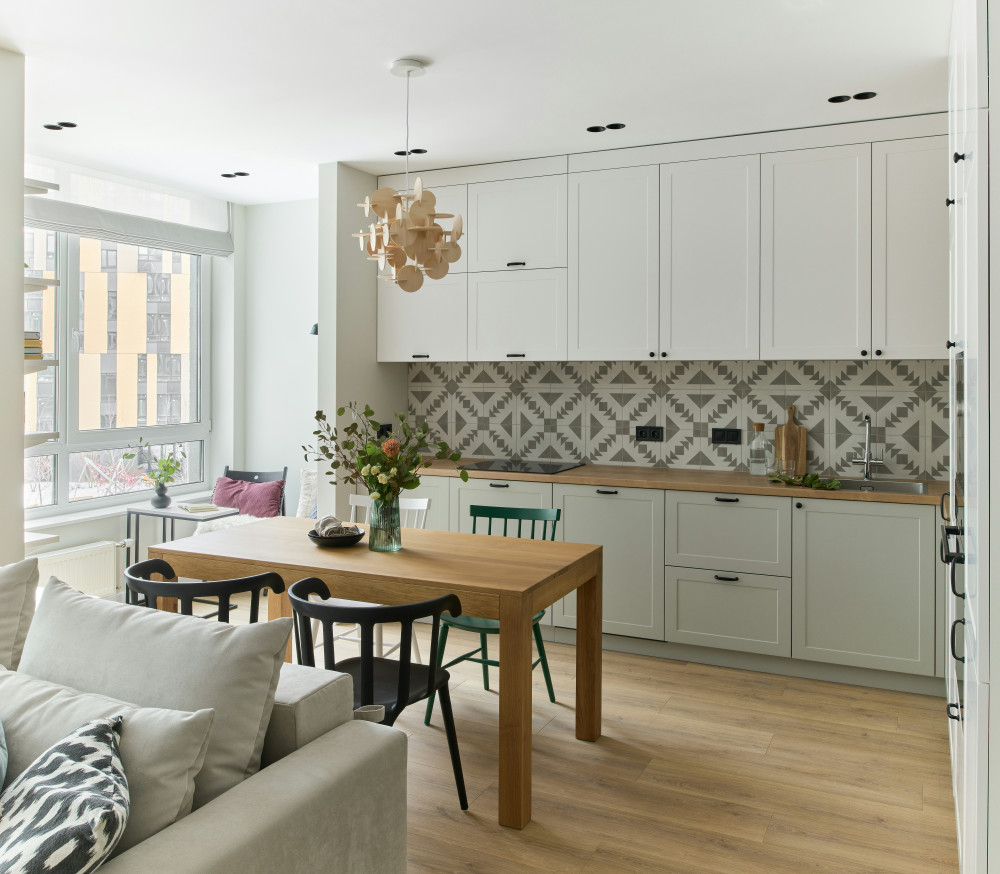
When planning your interior layout, think about how daylight and airflow can work together. A room that receives light from multiple directions feels more dynamic and comfortable, and well-placed windows and doors can support natural air circulation.
- Arrange spaces according to light needs – place desks or reading chairs near windows, while TV areas can be in shadier corners.
- Choose light, breathable curtains – they provide privacy without blocking sunlight.
- Add indoor plants – they contribute to a fresher atmosphere and thrive in natural light.
If you live in an older home, small updates—like replacing heavy drapes, painting walls in lighter tones, or adding reflective window film—can make a big difference.
Læs også:
A Healthier Home Starts with Simple Habits
Creating a healthy home doesn’t always require major renovations. Often, it’s the small daily habits that matter most: opening curtains in the morning, letting in fresh air a few times a day, and paying attention to how each room feels and functions.
A home filled with daylight and fresh air feels lighter, more vibrant, and more inviting—and you’ll notice the benefits in both your body and your mood. By making the most of nature’s free resources, you’re not only creating a healthier home but also a more sustainable one.
Læs også: