Direct or Indirect Lighting? Understand the Difference and Use Light the Right Way in Your Home

Direct or Indirect Lighting? Understand the Difference and Use Light the Right Way in Your Home
Lighting is one of the most powerful tools for shaping the atmosphere of your home. It influences how you perceive colors, space, and mood. But when you start choosing fixtures, you’ll quickly come across the terms direct and indirect lighting. What do they actually mean—and how can you use them to make your home both functional and inviting? Here’s a guide to understanding the difference and finding the right balance.
What Is Direct Lighting?
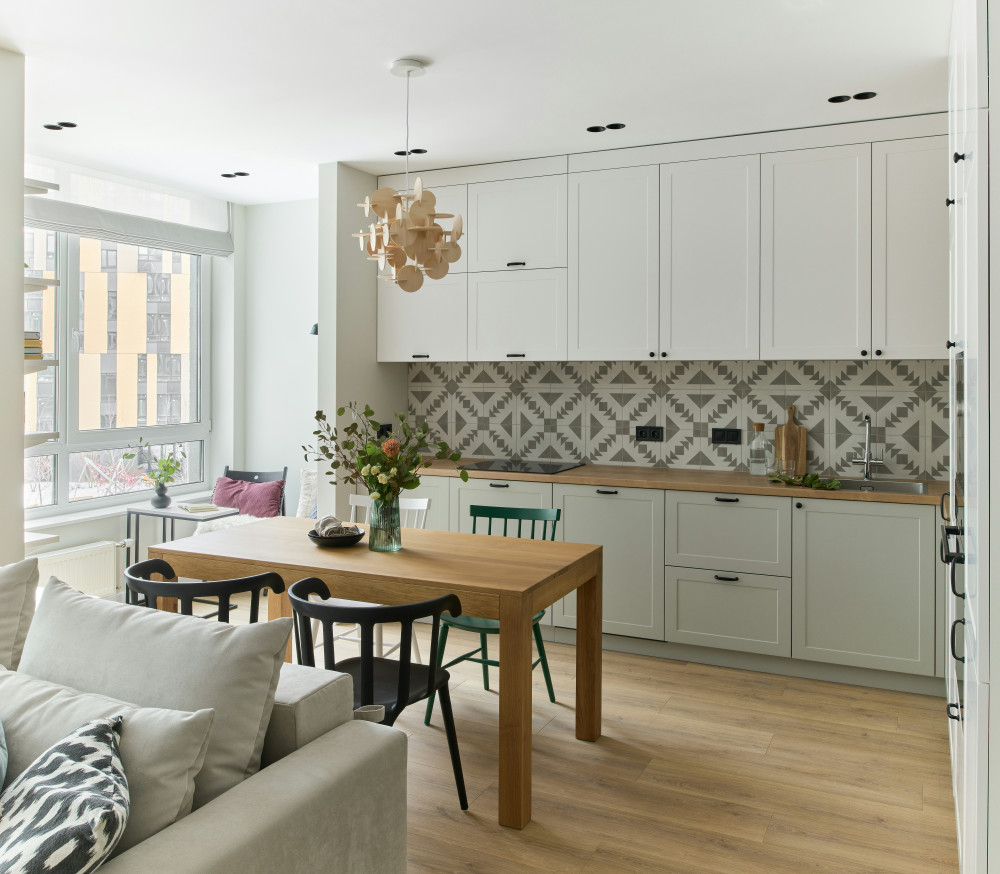
Direct lighting is light that shines straight onto a surface without being reflected first. It’s focused and purposeful—like a pendant lamp over the dining table or a desk lamp illuminating your workspace. This type of lighting is ideal when you need clarity and precision.
Examples of direct lighting:
- A ceiling fixture above the dining table
- A reading lamp next to the sofa
- Recessed spotlights over the kitchen counter
The advantage of direct lighting is that it provides strong, targeted illumination. The downside is that it can feel harsh or create sharp shadows if used alone. That’s why it’s best to combine it with softer, more diffused light sources to create balance and comfort.
What Is Indirect Lighting?
Indirect lighting is light that’s reflected off walls, ceilings, or other surfaces before it reaches the room. It produces a soft, even glow that feels calm and cozy. You’ll often find it in fixtures that shine upward or toward a wall, or in LED strips hidden behind furniture or moldings.
Examples of indirect lighting:
- A floor lamp that casts light upward toward the ceiling
- LED strips behind a mirror or bookshelf
- Wall sconces that spread light across the room
Indirect lighting is perfect for creating atmosphere and depth. It can make a room feel larger and more relaxing because it eliminates glare and distributes light evenly.
How to Combine the Two
The best lighting design comes from layering direct and indirect light. Direct light provides functionality, while indirect light adds warmth and ambiance. Think of it as building layers that work together to create a complete lighting scheme.
A good starting point is to include:
- General lighting (usually indirect) to illuminate the whole room.
- Task lighting (direct) for specific activities like cooking, reading, or working.
- Accent or mood lighting (often indirect) to add character and variation.
By mixing different light sources, you can easily adjust the atmosphere—from bright and energizing to soft and relaxing.
Læs også:
Lighting for Different Rooms
Each room has its own needs, so your lighting plan should adapt accordingly.
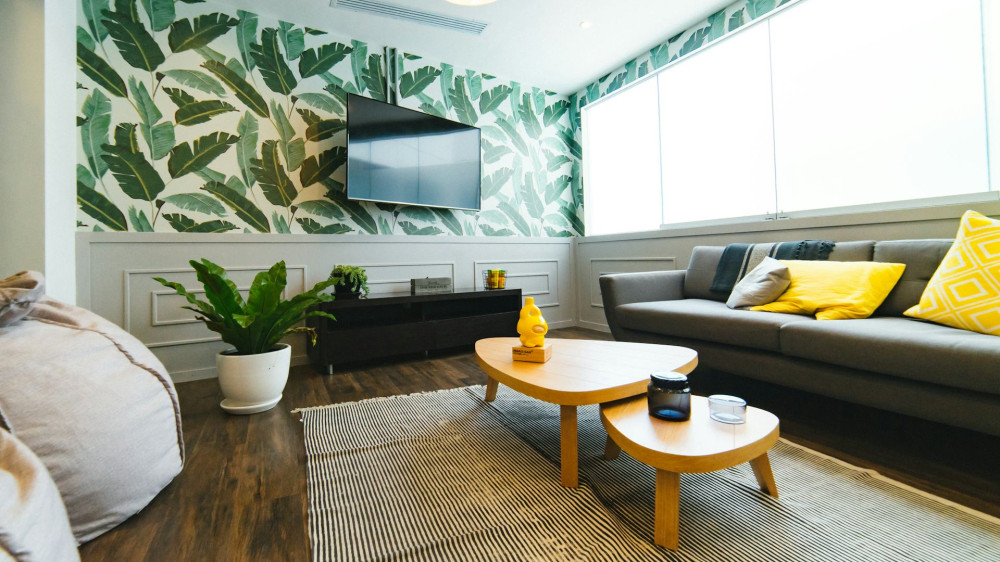
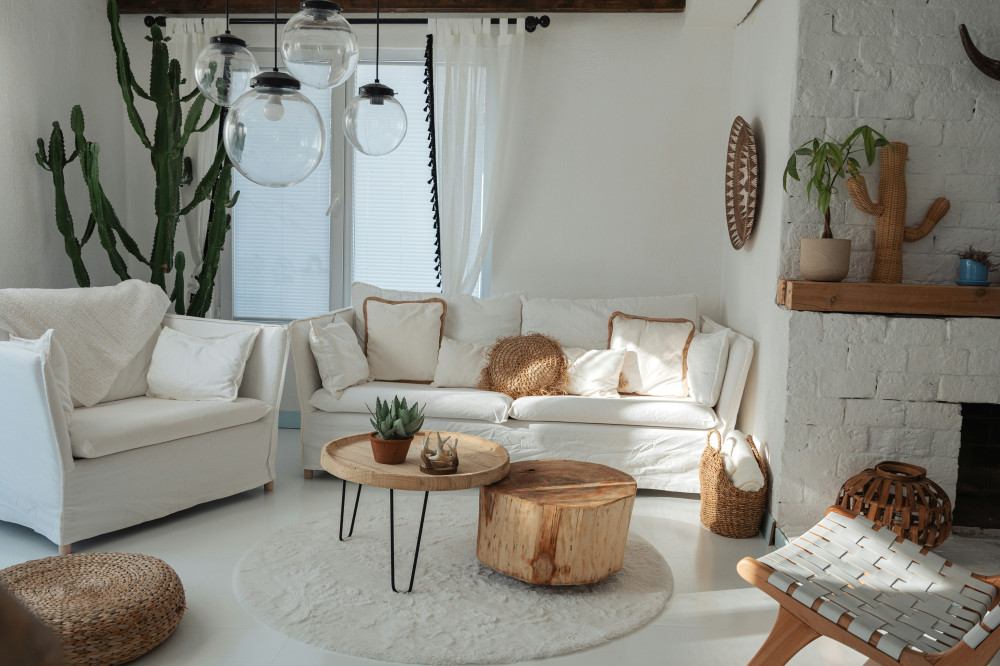
- Living room: Combine a ceiling fixture with floor and wall lamps. Use indirect light for a cozy feel and direct light for reading or hobbies.
- Kitchen: Functionality is key. Use direct light over counters and the sink, and add under-cabinet or toe-kick lighting for a softer glow.
- Bedroom: Choose warm, indirect light for relaxation, and add direct bedside lamps for reading.
- Bathroom: Pair bright, direct light around the mirror with softer, indirect light for a calm evening atmosphere.
Color Temperature and Brightness
Beyond direction, color temperature also affects how light feels. Warm light (around 2700–3000 Kelvin) creates a welcoming, comfortable vibe—perfect for living rooms and bedrooms. Cooler light (4000 Kelvin and above) feels crisp and energizing, making it great for kitchens, home offices, and bathrooms.
Brightness is measured in lumens—the higher the number, the brighter the light. Use stronger bulbs for task areas and softer ones for ambient lighting. Dimmable bulbs are a great option, allowing you to adjust brightness throughout the day.
Create Balance and Personality
Good lighting isn’t just about visibility—it’s about atmosphere and style. Treat your light fixtures as part of your décor: choose shapes, materials, and finishes that complement your home’s design. And remember, natural light changes throughout the day, so your artificial lighting should be flexible enough to adapt.
By understanding the difference between direct and indirect lighting—and using both in harmony—you can create a home that’s not only practical but also warm, inviting, and uniquely yours.
Læs også: