When Winter Is Packed Away: How to Properly Wash and Store Your Kids’ Outerwear


When Winter Is Packed Away: How to Properly Wash and Store Your Kids’ Outerwear
When the days start getting longer and the snow boots are swapped for sneakers, it’s time to pack away the winter gear. But before you stash those puffy coats, snow pants, and mittens in the closet or basement, it’s worth giving them a little extra care. Proper washing and storage not only extend the life of your kids’ outerwear but also make sure everything is ready to go when the cold returns. Here’s how to do it right.
Start with a Careful Inspection
Before tossing anything into the washer, take a few minutes to inspect each piece. Look for worn areas, small tears, or broken zippers. A quick repair now—whether it’s sewing a loose seam or patching a small hole—can save you from frustration next winter.
Empty every pocket (you never know what treasures your kids might have tucked away), and close all zippers, snaps, and Velcro tabs. This helps the garments keep their shape and prevents snags during washing.
Wash with Care
Most children’s outerwear is made from technical fabrics designed to be water-resistant or breathable, and these materials need gentle treatment. Always check the care label first—it’s your best guide.
- Use a mild detergent made for technical or outdoor fabrics. Avoid fabric softeners, as they can damage water-repellent coatings.
- Wash in cold or warm water. Most insulated jackets and snow pants do best at 30–40°C (about 85–105°F).
- Add an extra rinse cycle. This ensures all detergent is removed, which helps maintain the fabric’s performance.
- Spin gently. A high-speed spin can stress seams and insulation.
If the clothing is heavily soiled, pre-treat stains with a gentle stain remover or a bit of liquid detergent before washing.
Refresh the Water-Repellent Finish
After washing, many outerwear fabrics lose some of their water-repellent properties. To restore them, apply a durable water-repellent (DWR) treatment before storing. You can use a spray-on or wash-in product—both are available at most outdoor or sporting goods stores.
Apply the treatment evenly to clean, dry fabric, and let it dry completely. This step ensures the gear will shed snow and rain effectively when winter rolls around again.
Drying: Patience Pays Off
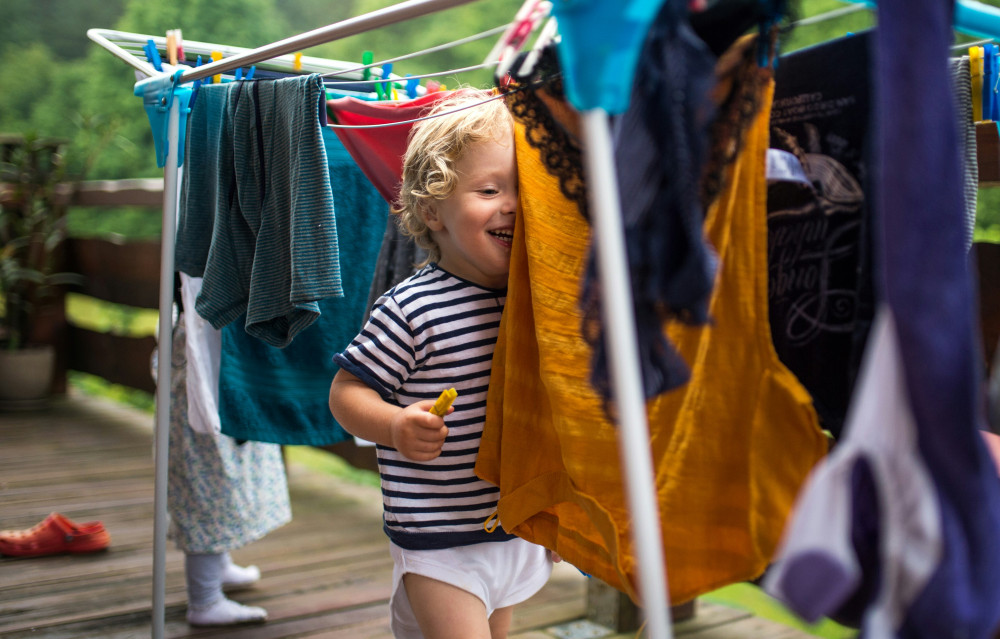
Dry outerwear thoroughly but gently. Hang it in a warm, well-ventilated area, away from direct sunlight or heat sources like radiators, which can damage the fabric. For down or synthetic-filled jackets, tumble dry on low heat with a few clean tennis balls or dryer balls. They’ll help fluff the insulation and keep it evenly distributed.
Make sure everything is completely dry before storing—any lingering moisture can lead to mildew or musty odors.
Store It the Right Way
Once the gear is clean and dry, choose a good storage spot. Avoid damp basements or hot attics; a cool, dry, and dark place is ideal.
- Use breathable fabric bags or storage bins with lids. Plastic bags can trap moisture and cause condensation.
- Add cedar blocks or lavender sachets. They help deter moths and keep things smelling fresh.
- Hang coats and snowsuits on sturdy hangers. This helps them keep their shape.
- Keep hats, gloves, and scarves together. Store them in small labeled bins or mesh bags so they’re easy to find next season.
Labeling storage bins with your child’s name and size can also save time when you’re sorting through gear next fall.
Læs også:
Make It a Yearly Habit
Washing and storing winter outerwear properly might seem like a small task, but it pays off. You’ll save money by extending the life of your kids’ gear, and you’ll avoid the last-minute scramble when the first cold snap hits.
Plus, involving your children in the process teaches them to take care of their belongings—a simple but valuable lesson that lasts well beyond winter.
Læs også: