Use Kids’ Clothes Smarter – and Wash Less

Use Kids’ Clothes Smarter – and Wash Less
Every parent knows how quickly kids’ clothes get dirty. But many of us toss them in the laundry far more often than necessary. Frequent washing wears out fabrics, fades colors, and uses a lot of water and energy. With a few simple habits, you can make your children’s clothes last longer while saving time, money, and resources. Here’s how to use kids’ clothes smarter – and wash less.
Less Washing Is Better for Clothes and the Planet
Each wash cycle takes a toll on clothing. Fibers weaken, colors fade, and elastic loses its stretch. At the same time, the average American washing machine uses around 20 gallons of water per load and a significant amount of electricity. Washing less often helps your clothes last longer and reduces your environmental footprint.
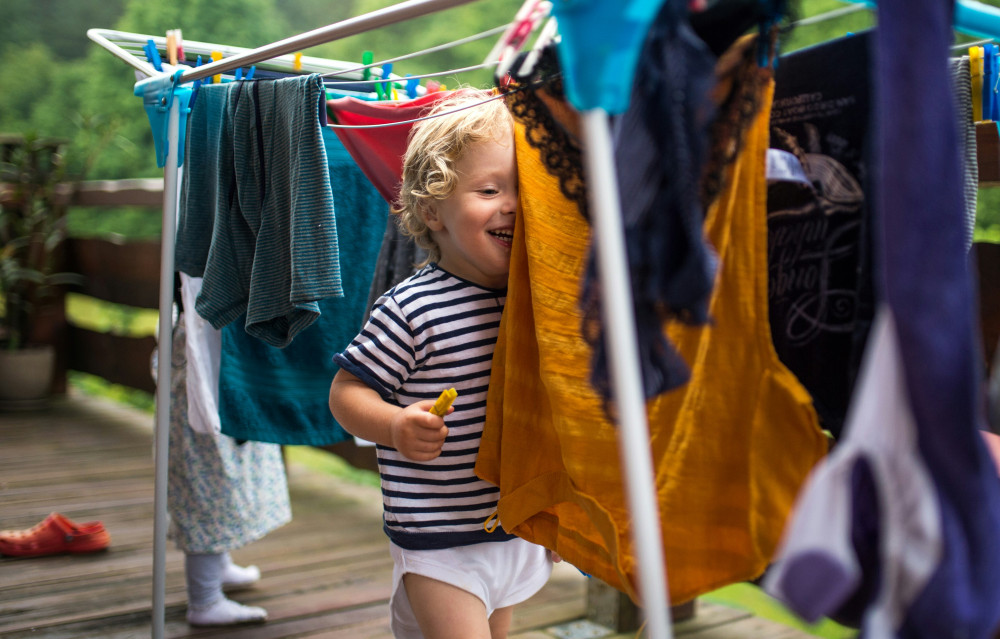
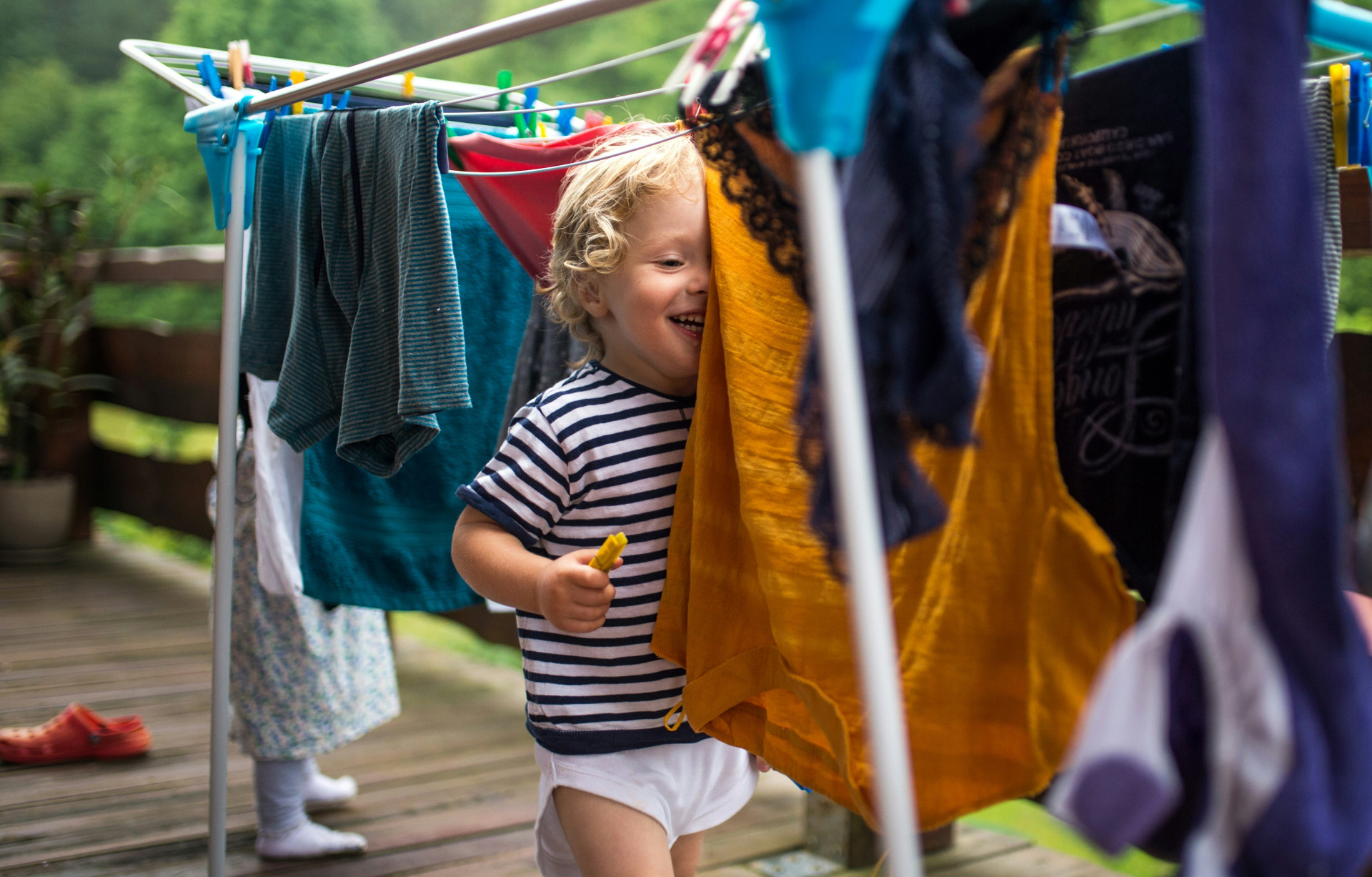
Before starting a load, ask yourself if the clothes are truly dirty or just worn once. Often, a quick airing-out is enough. Hang clothes outside or near an open window, and let fresh air do the work. It removes odors and refreshes fabrics without a single drop of detergent.
Spot Clean Instead of Washing Everything
A small stain doesn’t have to mean a full wash. Try spot cleaning with a damp cloth, a bit of mild soap, or a stain remover. This works especially well on cotton and wool, where dirt often sits on the surface.
Act quickly—fresh stains are much easier to remove. And remember, sunlight can help too: a few hours in natural light can fade many marks and freshen up clothes naturally.
Læs også:
Layer Up for Longer Wear
Layering isn’t just for keeping kids warm—it’s also a smart way to protect outer clothes from sweat and dirt. A thin undershirt or onesie can absorb most of the moisture, so sweaters and dresses can be worn several times before washing.
The same goes for pants: leggings or tights underneath help keep jeans and overalls cleaner for longer. It’s an easy way to stretch the time between washes and keep outfits looking fresh.
Choose Durable, Easy-Care Materials
When buying new clothes, pay attention to fabric quality. Natural fibers like cotton and wool are breathable and easier to maintain, while synthetic materials can trap odors. Wool, in particular, is naturally self-cleaning—it often just needs airing out instead of washing.
Look for reinforced knees, elbows, and sturdy stitching. These details make clothes more durable and reduce the need for frequent replacements.
Give Clothes a Second Life
Even well-worn clothes can be revived. A patch on the knee, a new button, or a fun iron-on design can turn “ready for the trash” into “ready for play.” It’s sustainable, creative, and a great way to involve your kids—let them pick colors or patches to personalize their clothes.
When your child outgrows something, pass it on. Many local thrift stores, community swap groups, and online marketplaces welcome gently used children’s clothing. Sharing keeps clothes in use and out of landfills.
Build Good Habits at Home
Using clothes smarter is also about daily routines. Teach kids to hang up their clothes after wearing them instead of tossing everything in the laundry basket. It helps you see what truly needs washing.
You can even set up a “fresh air hook” in the hallway or bedroom where clothes can hang overnight. It’s a simple way to save time, water, and energy—and it helps children learn to care for their belongings.
Smarter Use Means More Freedom
Washing less doesn’t just help the planet—it helps you. Fewer laundry loads mean less clutter, less stress, and more time for what really matters. And when clothes last longer, you get more value from what you already own.
Using kids’ clothes smarter is ultimately about being practical and mindful at the same time. It’s good for the environment, your wallet, and your everyday life.
Læs også: