The Spring Jacket: How to Find the Right Balance Between Sun and Rain

The Spring Jacket: How to Find the Right Balance Between Sun and Rain
Spring in the U.S. can be unpredictable—sunny and warm one day, cool and rainy the next. That’s what makes finding the right spring jacket such a challenge. The ideal jacket should handle crisp mornings, mild afternoons, and the occasional downpour, all while keeping you comfortable and stylish. Here’s how to strike the perfect balance between function, fashion, and flexibility.
Know Your Climate—and Your Lifestyle
Before you start shopping, think about how and where you’ll wear your jacket. The right choice depends on your daily routine and the kind of spring weather your region brings.
- For the active commuter: If you walk, bike, or take public transit, look for a lightweight, breathable jacket with a water-repellent finish. Softshell or hybrid jackets are great options—they move with you and protect against wind and light rain.
- For everyday wear: A classic trench coat, utility jacket, or lightweight parka offers a polished look that still works for unpredictable weather. Choose one with a treated fabric to keep you dry during passing showers.
- For variable climates: In areas where temperatures swing dramatically—think the Midwest or Northeast—a shell jacket layered over a thin fleece or sweater gives you the flexibility to adapt throughout the day.
Materials That Make a Difference
The fabric determines how your jacket performs and feels. Modern materials make it possible to stay dry, comfortable, and stylish all at once.
- Softshell: Flexible, wind-resistant, and water-repellent, softshells are perfect for active days and mild conditions.
- Hardshell: Fully waterproof and windproof, these jackets are ideal for heavy rain or blustery coastal weather, though they can be less breathable.
- Cotton or polyester blends: Common in trench coats and parkas, these fabrics can be treated for water resistance but aren’t fully waterproof.
- Recycled and sustainable materials: Many brands now offer eco-friendly options made from recycled polyester or organic cotton—good for both your wardrobe and the planet.
Layering: The Key to Comfort
Spring weather can change in an instant, so layering is your best strategy. A light jacket paired with the right base and mid-layers lets you adjust easily as temperatures rise or fall.
Start with a moisture-wicking base layer to keep you dry. Add a light insulating layer—like a fleece or thin sweater—for warmth. Finish with a protective outer shell to block wind and rain. This system keeps you comfortable whether you’re facing a chilly morning or a sunny afternoon.
Læs også:


Color and Style: A Fresh Start for the Season
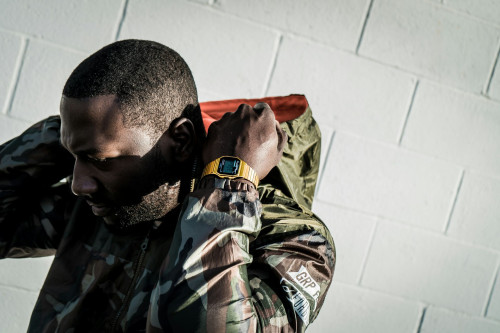
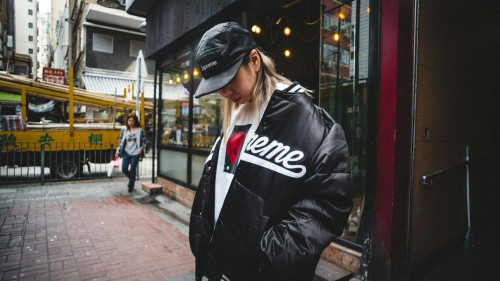
Your spring jacket doesn’t just protect you from the elements—it’s also a chance to refresh your look. Lighter shades like khaki, olive, sky blue, and cream reflect the season’s brightness, while timeless colors like navy, gray, and black remain versatile staples.
If you want to stand out, look for subtle design details: contrast zippers, textured fabrics, or minimalist cuts. These touches add personality without sacrificing practicality.
Care Tips to Make It Last
A good spring jacket can last for years with proper care. Always follow the washing instructions, and skip fabric softeners—they can damage water-repellent coatings. After several wears, refresh the jacket’s water resistance with a spray or wash-in treatment.
Hang your jacket to dry and store it in a cool, dry place. Avoid leaving it damp or crumpled, which can shorten its lifespan and affect its shape.
Finding the Perfect Balance
The best spring jacket is one that makes you feel ready for anything—sunshine, drizzle, or a sudden gust of wind. By choosing a jacket that fits your lifestyle, local climate, and personal style, you’ll have a reliable companion for the entire season—from the first warm days of March to the bright evenings of May.
Læs også: