Silk – a natural fiber with luster, comfort, and elegance

Silk – a natural fiber with luster, comfort, and elegance
For thousands of years, silk has symbolized luxury, beauty, and refinement. From the robes of ancient Chinese emperors to modern couture gowns and high-end bedding, silk has maintained its reputation as one of the world’s most coveted natural fibers. But what exactly makes silk so special, and why do so many people still choose it over synthetic alternatives?
A fiber with a fascinating origin
Silk comes from the cocoon spun by the silkworm – the larva of the Bombyx mori moth – as it prepares to pupate. Each cocoon is made of a single, continuous thread that can stretch up to a mile in length. Extracting this delicate filament without breaking it requires great care, which is one reason silk remains such a precious material.
The art of silk production, known as sericulture, began in China more than 5,000 years ago. For centuries, the process was a closely guarded secret, and silk became one of the most valuable commodities traded along the Silk Road – the ancient network of routes connecting East Asia with Europe and the Middle East.
Læs også:


Luster and comfort – nature’s own luxury
Silk’s unmistakable sheen comes from its triangular fiber structure, which reflects light in a unique way. This gives the fabric a shimmering surface that seems to change color depending on the lighting. At the same time, silk is incredibly soft and smooth against the skin, making it ideal for clothing, accessories, and bedding.
Another remarkable quality of silk is its ability to regulate temperature. It feels cool in summer and warm in winter because the fibers allow the skin to breathe while still providing insulation. This makes silk a comfortable and versatile material for year-round use.
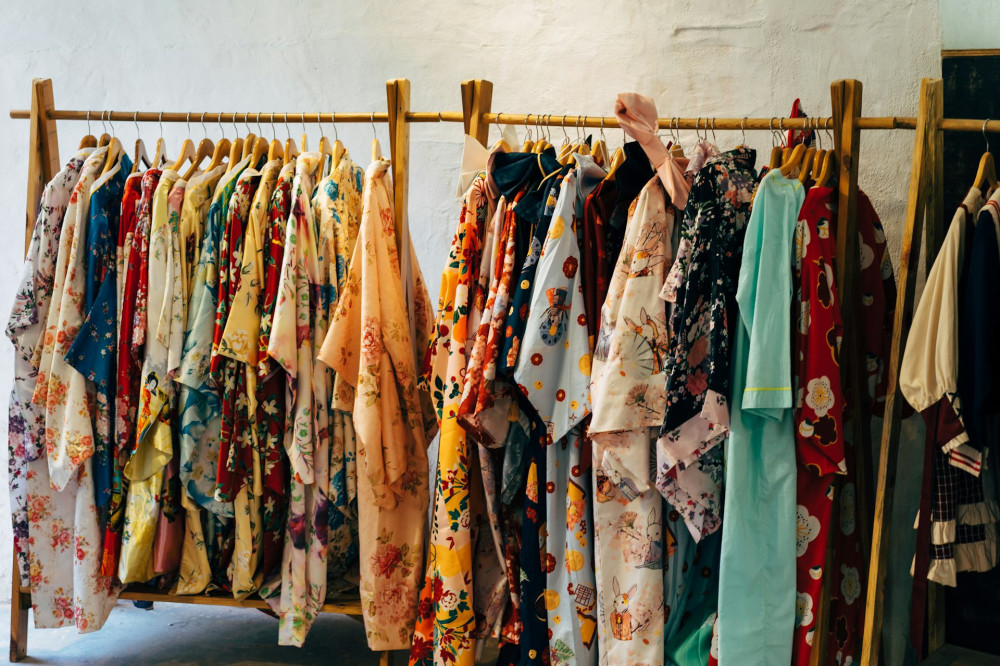
From kimonos to ties – the many uses of silk
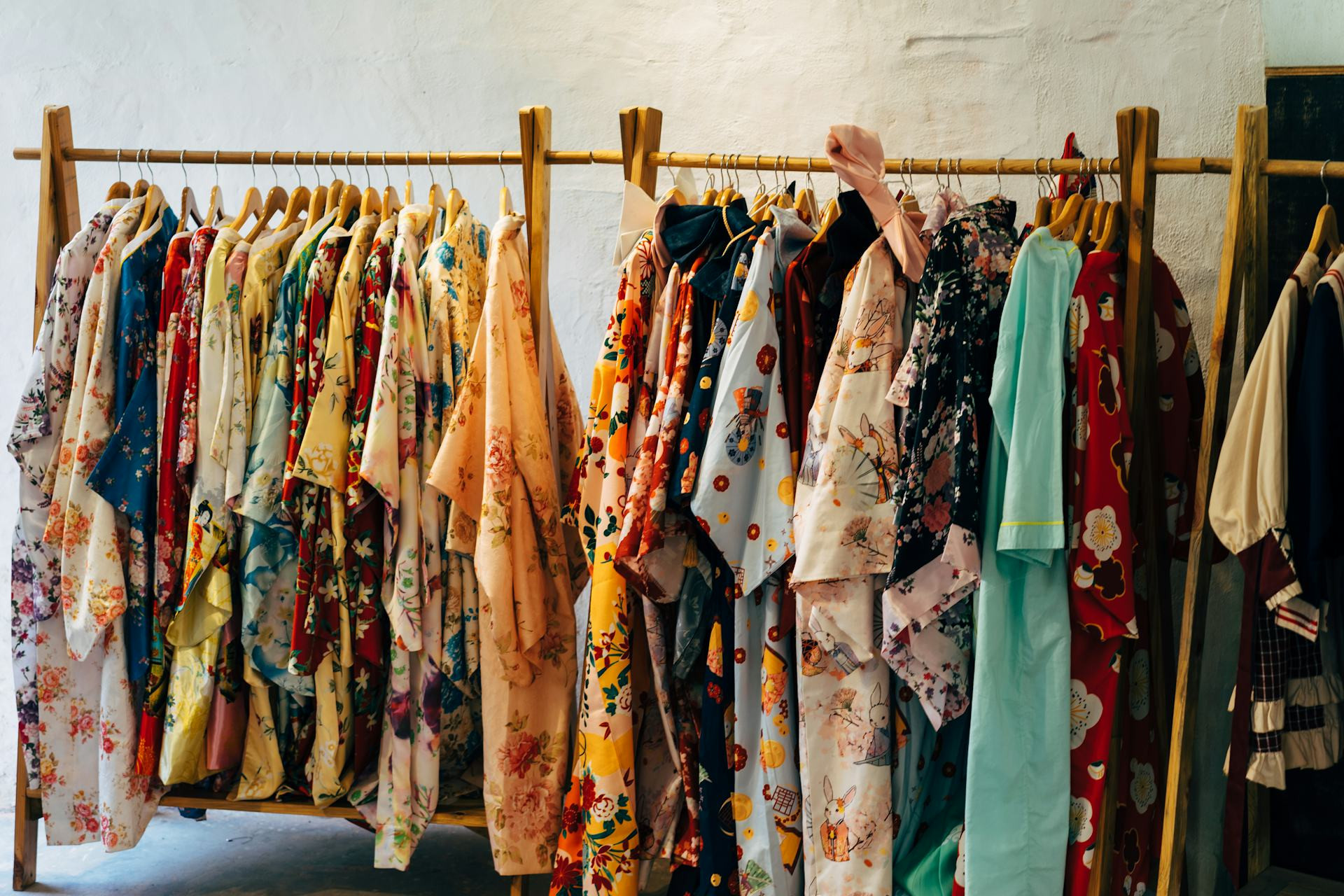
Today, silk is used in a wide range of products: dresses, blouses, scarves, ties, lingerie, and sheets, to name just a few. In the fashion world, designers prize silk for its natural drape and fluid movement, which give garments an elegant, flowing silhouette.
But silk isn’t reserved only for luxury items. When blended with other fibers such as cotton or wool, it can add strength and luster without making fabrics overly expensive. This versatility makes silk suitable for both everyday wear and special occasions.
Care and durability
Although silk is a strong natural fiber, it requires gentle care. Most silk fabrics should be hand-washed in cold water with a mild detergent, and they should never be wrung out or exposed to direct sunlight for long periods. Many people prefer to have their silk garments professionally dry-cleaned to preserve the fabric’s sheen and texture.
With proper care, silk can last for many years. In fact, it often becomes even more beautiful over time, developing a softer feel and a more natural drape.
A sustainable choice – with nuances
Silk is a biodegradable natural fiber, making it more environmentally friendly than many synthetic materials. However, its production is resource-intensive, and different methods have varying ethical and environmental impacts.
In recent years, there has been growing interest in “peace silk” or “ahimsa silk,” which allows the silkworms to emerge from their cocoons before the fibers are harvested. This results in shorter threads and a slightly different texture, but it offers a more humane alternative for those concerned about animal welfare.
Silk in the modern wardrobe
As more people seek quality over quantity, silk is experiencing a renaissance. Its natural properties, timeless elegance, and durability make it an appealing choice for those who value clothing and textiles that feel good, look beautiful, and stand the test of time.
Whether it’s a classic silk blouse, a sophisticated scarf, or a set of luxurious sheets, silk brings a touch of refinement to everyday life – in a way few other materials can match.
Læs også: