Dress Code Guide: How to Dress Appropriately for Any Occasion

Dress Code Guide: How to Dress Appropriately for Any Occasion
Dressing appropriately isn’t just about fashion—it’s about showing respect for the occasion and the people around you. What works for a backyard barbecue won’t necessarily fit a business meeting, and vice versa. Understanding dress codes helps you feel confident and comfortable, no matter where you’re headed. Here’s a guide to help you strike the right balance for any event.
Understanding the Classic Dress Codes
Dress codes can seem confusing, but most fall into a few familiar categories. Here’s what they mean in practice:
- Casual – The most relaxed style. Jeans, sneakers, and a neat T-shirt or polo work well. For women, think of a sundress, skirt, or jeans with a simple top.
- Smart Casual – A step up from casual. Combine comfort with polish: chinos, a blazer, and a button-down shirt, or a nice dress with flats or low heels.
- Business Casual – Common in many offices. For men: dress pants or chinos with a collared shirt, possibly a blazer. For women: a blouse with slacks or a skirt in neutral tones.
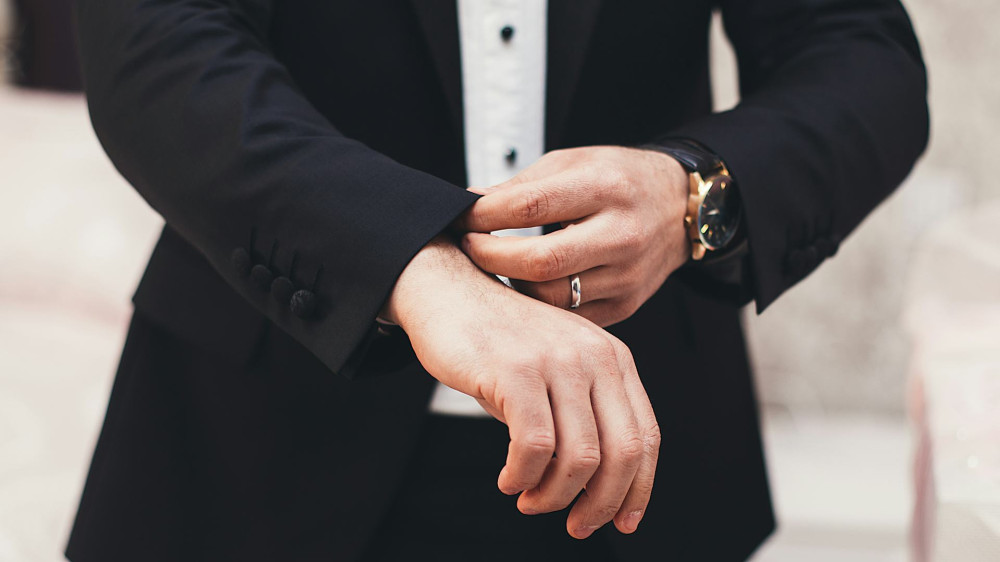
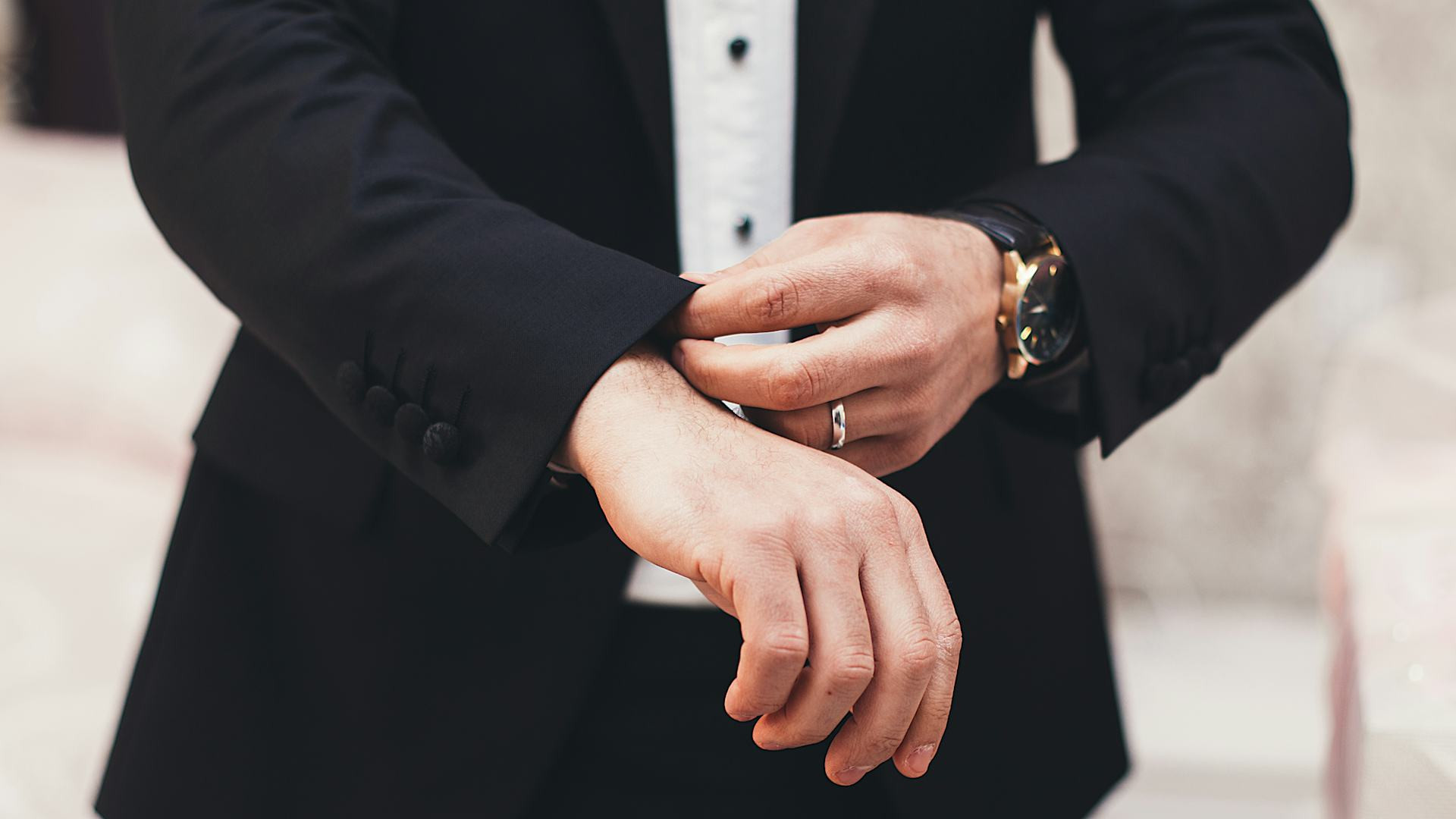
- Business Formal – The standard for more traditional workplaces. A dark suit, dress shirt, and tie for men; a tailored dress, suit, or pantsuit for women.
- Cocktail Attire – Dressy but not black-tie. Men can wear a dark suit and tie; women can opt for a cocktail dress or a chic jumpsuit.
- Black Tie – Elegant and festive. A tuxedo and black bow tie for men; a long gown or sophisticated evening dress for women.
- White Tie – The most formal of all. Tailcoat and white bow tie for men; a full-length ball gown for women.
Once you know these basics, it’s much easier to interpret any invitation.
Everyday and Workwear
In daily life, the goal is to balance comfort with presentation. Many modern workplaces have relaxed their dress codes, but professionalism still matters.
- Office Jobs: Choose clothing that looks polished without being stiff. Neutral colors and clean lines always work.
- Creative Fields: There’s often more room for personal style, but keep it intentional. A pair of stylish sneakers can work if the rest of your outfit is put-together.
- Remote Work: Even when working from home, dressing neatly can boost your focus. A collared shirt or blouse instead of a hoodie helps you feel “on the clock.”
Remember, your outfit sends a message. It’s not about hiding who you are—it’s about showing that you understand the context.
Parties and Social Events
When it comes to social gatherings, the dress code is sometimes stated on the invitation—but not always. Here are some general guidelines:
- Weddings: Avoid wearing white (that’s for the bride) and steer clear of all-black outfits. Choose light, celebratory colors. Men can wear a suit in navy or gray.
- Summer Parties: Go for light, breathable fabrics like linen or cotton. Keep it relaxed but neat.
- Holiday Parties: Dress up a bit, but have fun with it. A dress with a touch of sparkle or a dark, festive shirt works well.
- Dinner Parties or Birthdays: Smart casual is usually a safe bet—you’ll look polished without being overdressed.
If you’re unsure, ask the host. It shows thoughtfulness and ensures you’ll fit the tone of the event.
Læs også:


Special Occasions: From Job Interviews to Funerals
Some situations call for extra care and sensitivity.
- Job Interviews: Dress slightly more formally than you expect employees to dress day-to-day. It shows respect and preparation.
- Funerals: Choose black or dark, muted colors. Avoid bright hues or bold patterns.
- Graduations and Christenings: Dress nicely but not extravagantly. Light colors and refined fabrics are appropriate.
- Gala or Award Events: Follow the invitation closely—when in doubt, it’s better to be slightly overdressed than underdressed.
The Details That Make the Difference
Even the best outfit can fall flat if the details are off. Make sure your clothes are clean, pressed, and fit well. Keep shoes polished and accessories coordinated.
For men, a pocket square or quality belt can elevate a look. For women, a simple piece of jewelry or a bold lipstick can add personality without overdoing it.
And remember: confidence is your best accessory. When you feel good in what you’re wearing, it shows.
Dress for Yourself—and the Occasion
Dressing well isn’t about blindly following rules—it’s about understanding them and using them as a framework for your own style. Once you know the expectations, you can decide when to follow them and when to bend them.
Ultimately, dressing appropriately is about balancing respect for the occasion with authenticity to yourself. That’s where true style begins.
Læs også: