Wear and Tear on Everyday Clothes – How to Spot and Prevent It Effectively


Wear and Tear on Everyday Clothes – How to Spot and Prevent It Effectively
Everyday clothes go through a lot — from long workdays to weekend errands and relaxing at home. Because they’re worn so often, they experience far more wear and tear than special-occasion outfits. The good news is that with a little attention and a few simple habits, you can spot early signs of damage and extend the life of your wardrobe. Here’s how to keep your clothes looking good for longer — without adding much extra effort to your routine.
Recognize the Common Signs of Wear
The first step in preventing wear is knowing where and how it happens. Most types of everyday clothing show damage in predictable places:
- Jeans and pants often thin out at the knees, thighs, and seat — especially if the fabric is stretchy or lightweight.
- T-shirts and tops lose shape around the neckline and sleeves, and seams may start to loosen.
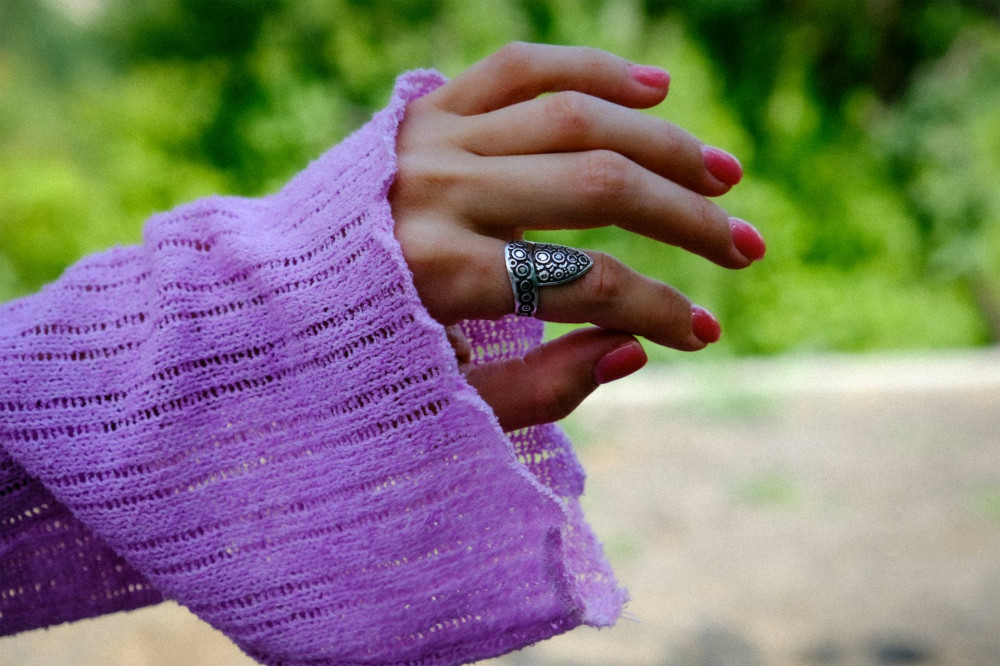
- Sweaters develop pilling or small holes, particularly under the arms or where a bag rubs against the fabric.
- Shirts and blouses tend to fray at the cuffs and collar, where friction and sweat are most common.
Watch for subtle changes in texture, color, or elasticity. The earlier you notice wear, the easier it is to repair or prevent further damage.
Wash Less — and Wash Smart
The washing machine is one of the biggest culprits when it comes to clothing wear. Each cycle weakens fibers, and washing too often can drastically shorten a garment’s lifespan.
- Air out clothes instead of washing them if they’re not actually dirty. Hanging them outside or near an open window for an hour can remove most odors.
- Sort by fabric type — cotton, wool, and synthetics each need different temperatures and wash settings.
- Turn clothes inside out, especially jeans and dark colors, to protect the surface and preserve color.
- Use gentle detergent and skip fabric softener, which can break down elastic fibers.
- Don’t overload or underload the washer — too much friction or too much movement both cause damage.
By washing thoughtfully, you’ll reduce wear and also lower your environmental impact.
Dry and Store with Care
How you dry and store your clothes matters just as much as how you wash them.
- Avoid the dryer whenever possible. High heat and tumbling are tough on fibers.
- Hang clothes to dry on hangers or a drying rack, and reshape them while they’re still damp.
- Fold heavy knits instead of hanging them to prevent stretching.
- Store clothes in a cool, dry, and dark place to prevent fading and stiffness.
Small changes in your drying and storage habits can make a big difference in how long your clothes last.
Repair Early
A small hole or loose seam doesn’t mean it’s time to toss your clothes. Quick repairs can significantly extend their life.
- Sew small holes or reinforce seams before they get worse.
- Patch jeans or kids’ clothes — it can be both practical and stylish.
- Replace buttons and zippers instead of discarding the whole garment.
- Remove lint and pills with a fabric shaver or a special lint remover.
If you’re not comfortable repairing clothes yourself, many local tailors or alteration shops can help for a reasonable price.
Choose Durable Materials
When buying new clothes, think about longevity. Fabric quality varies widely, and some materials handle daily wear better than others.
- Cotton is breathable and durable but can shrink or lose shape if washed too hot.
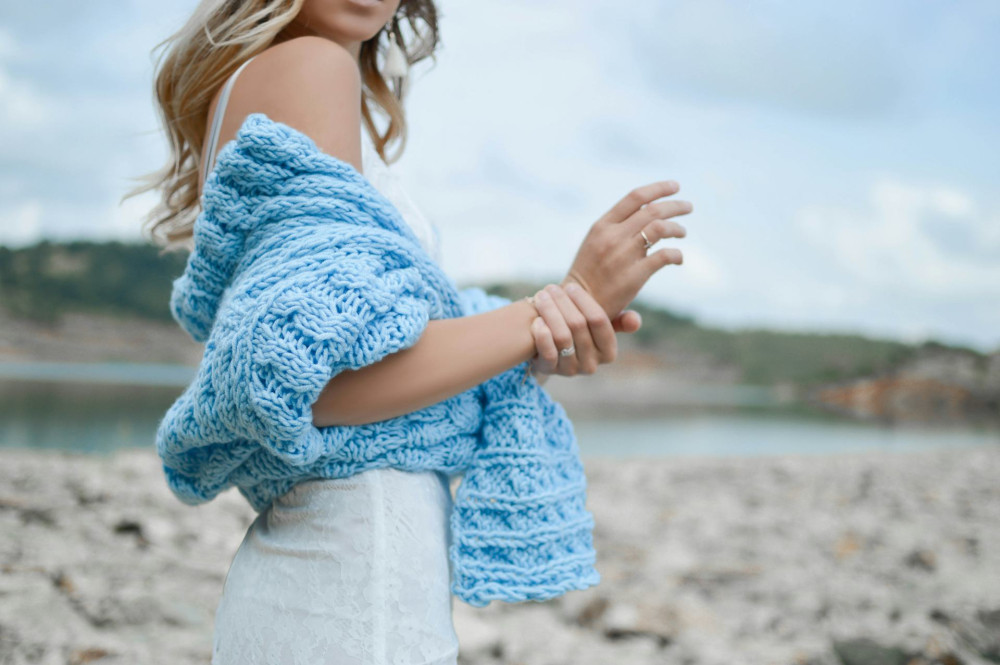
- Wool naturally resists dirt and odors, so it rarely needs washing — great for sweaters and cardigans.
- Denim and canvas are sturdy choices for pants and jackets.
- Blended fabrics with a bit of elastane offer flexibility but may wear thin faster.
Also check the stitching, buttons, and zippers — they often reveal more about quality than the fabric itself.
Læs også:



Give Clothes a Second Life
Even well-worn clothes can be repurposed. A stained shirt can become an apron, and old jeans can be turned into shorts or tote bags. Upcycling saves money and resources — and gives you one-of-a-kind pieces with personality.
If you don’t plan to reuse items yourself, donate them to a local thrift store or textile recycling program. Many organizations sort and recycle materials so nothing goes to waste.
Wear Is Inevitable — But You Control the Pace
No piece of clothing lasts forever, but you can decide how quickly it wears out. With mindful washing, storage, and timely repairs, you can extend the life of your everyday clothes — saving money and reducing waste at the same time.
Taking care of your clothes isn’t just about appearance; it’s also about sustainability and respect for the resources behind every piece of fabric.
Læs også: