Use Color in Your Pants to Create Balance in Your Outfit
Use Color in Your Pants to Create Balance in Your Outfit
When putting together an outfit, your pants often serve as the anchor that ties everything together. They can calm, contrast, or energize your look—depending on the color you choose. Many people automatically reach for black, navy, or denim because they’re easy to style, but adding color to your lower half can be the key to a more balanced and expressive outfit. Here’s how to use color in your pants to create harmony in your wardrobe.
Let Color Start from the Bottom
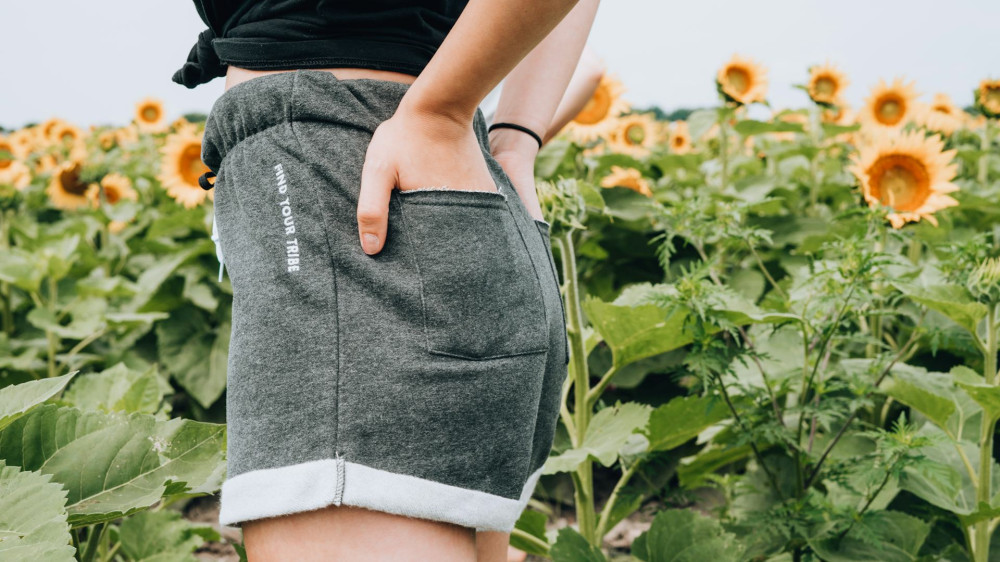
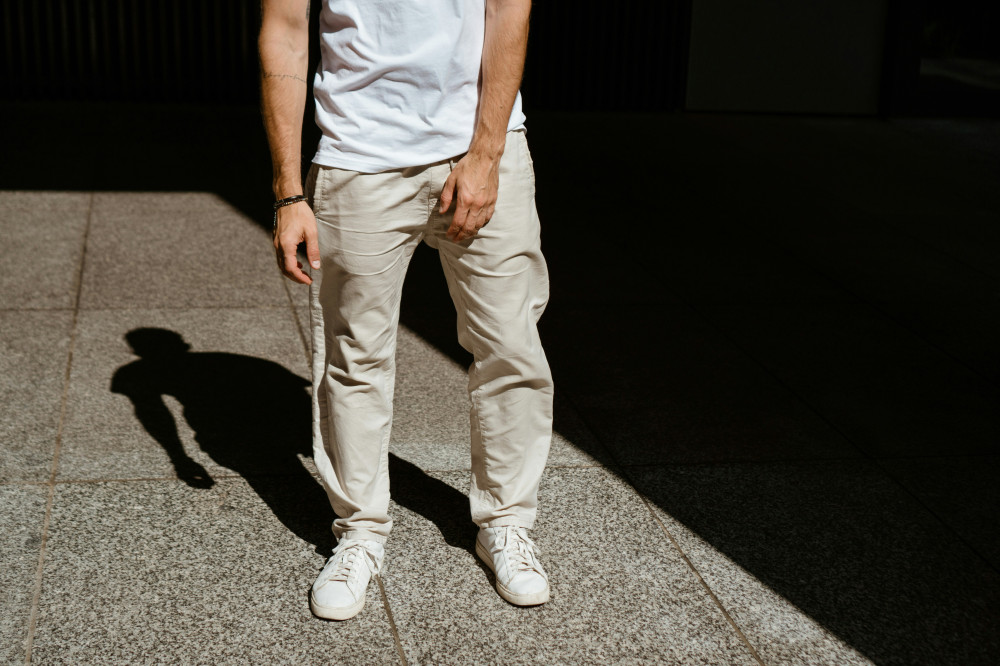
In many American wardrobes, color is reserved for shirts, jackets, or accessories, while pants stay neutral. But starting with color below the waist can completely shift the balance of your outfit. A pair of olive chinos, sand-colored linen trousers, or burgundy corduroys can add personality without feeling over the top.
When choosing colored pants, think about the overall effect. Ask yourself: Do I want my pants to ground the outfit or to be the statement piece? Both approaches work—it’s all about how you combine them.
Create Balance Through Contrast
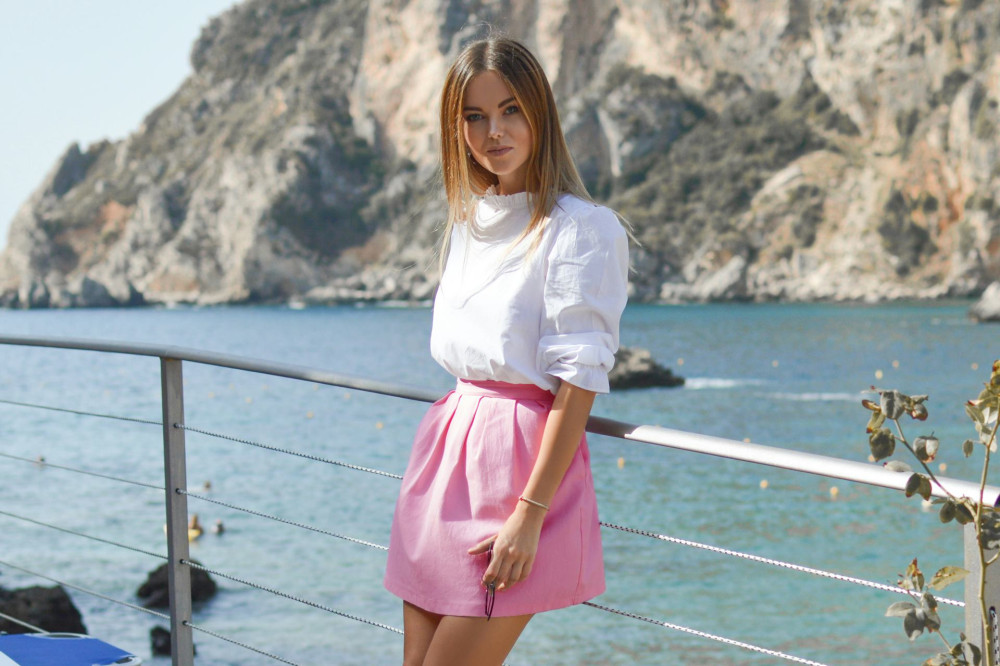
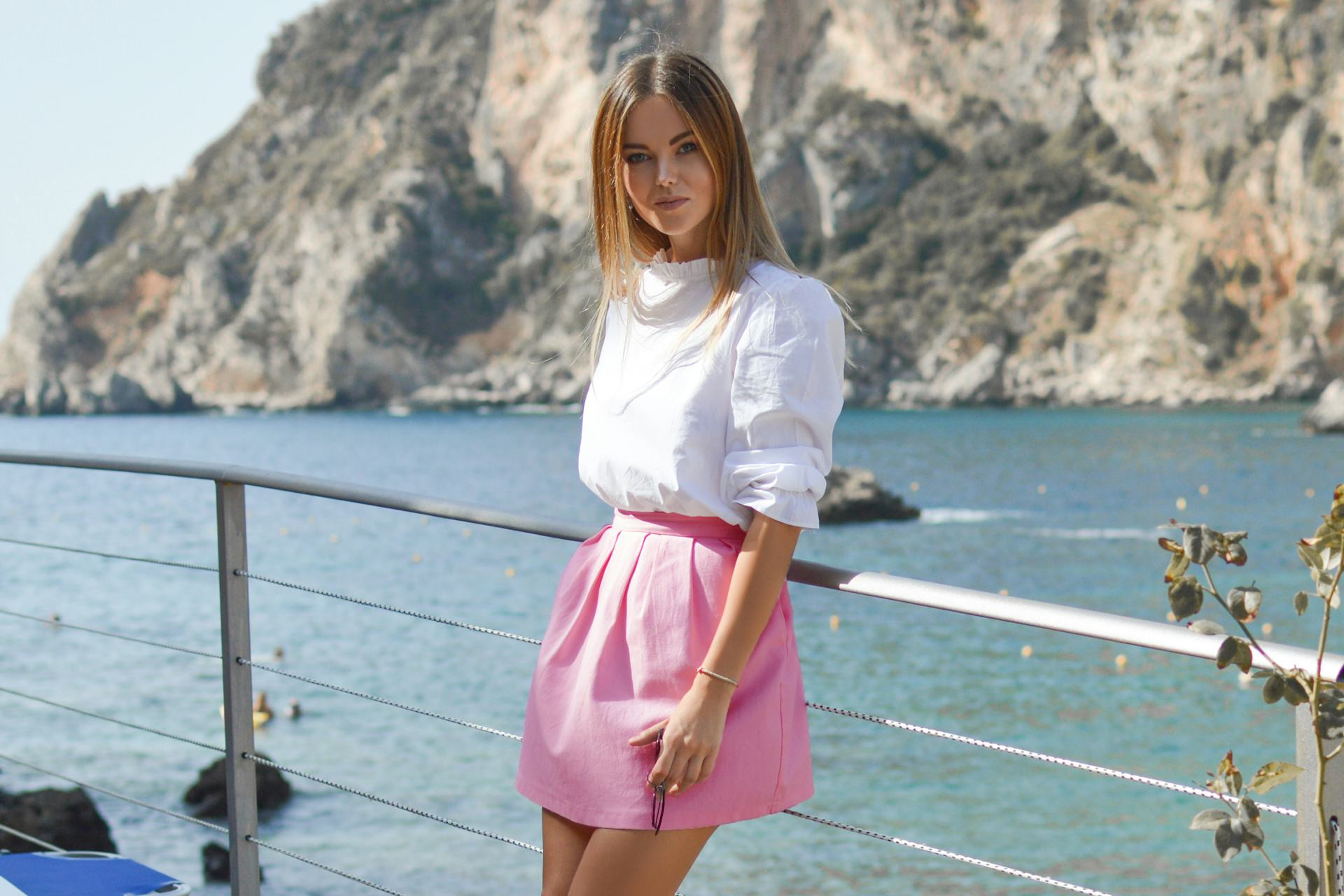
An outfit feels most cohesive when there’s balance between colors and textures. If your pants are bold, keep the rest of your look simple. For example, pair deep blue trousers with a crisp white shirt and neutral shoes for a timeless, balanced look. On the other hand, colored pants can bring life to an otherwise minimal wardrobe.
- Warm tones like rust, mustard, and terracotta add energy and are great for fall and winter.
- Cool tones like blue, green, and gray feel calm and fresh—perfect for spring and summer.
- Neutrals like beige, khaki, and charcoal can serve as a base that ties brighter colors together.
Mixing warm and cool tones can create an outfit that feels both dynamic and balanced.
Use Fabric to Shape the Color’s Mood
Color doesn’t exist in isolation—it changes with the fabric. A dark green wool pant feels rich and refined, while the same color in cotton or linen looks more relaxed. Use texture to control how the color comes across.
For everyday wear, matte fabrics like cotton twill or denim work well because they soften the color and make it more versatile. For evening or special occasions, try corduroy or wool, which give color more depth and sophistication.
Find Your Personal Color Balance
Color is as much about personality as it is about fashion. Some people feel best in muted tones, while others thrive in bold hues. Experiment with different shades and notice how they affect your mood and confidence.
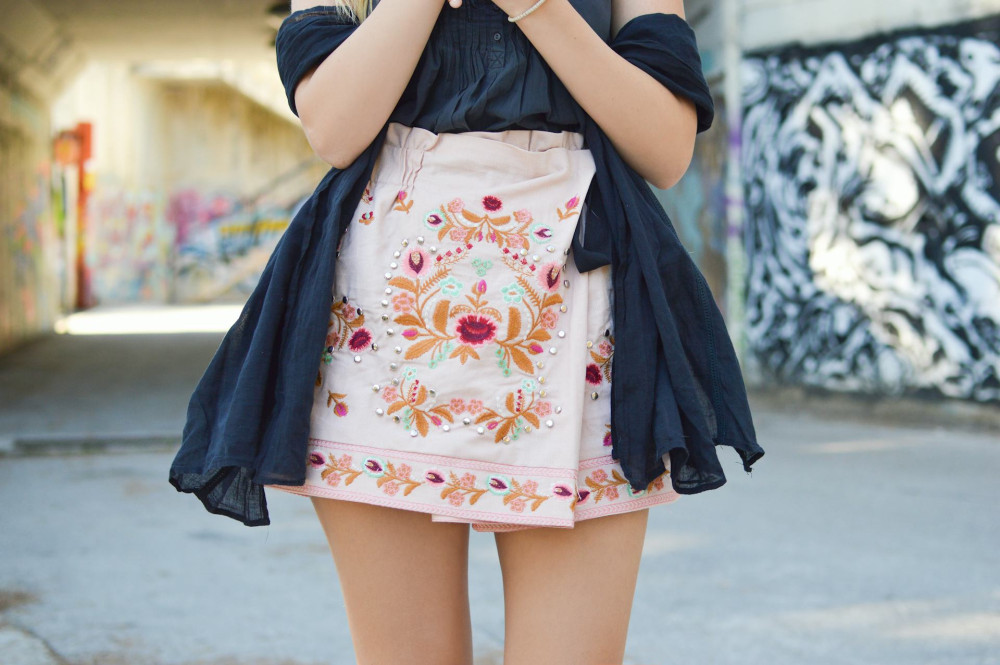
A good starting point is to pick one color you naturally gravitate toward and build your outfit around it. If you choose green pants, for instance, pair them with beige, navy, or white for a calm look—or with orange and brown for something more adventurous.
Seasonal Inspiration
Fashion colors shift with the seasons, but you don’t have to chase every trend. Instead, use seasonal palettes as inspiration. In summer, light pastels and natural tones feel fresh and airy, while deeper earth tones fit perfectly in fall.
A pair of pants in a seasonal color can easily refresh your wardrobe without a full overhaul. Combine them with classic staples—like a white tee, denim jacket, or leather loafers—for a look that feels both current and timeless.
Læs også:
Color Builds Confidence
Wearing color in your pants shows confidence and intention. It’s not about being flashy—it’s about expressing your style thoughtfully. Color can lift your mood, add variety, and make even the simplest outfit stand out.
So next time you’re getting dressed, reach for something other than your black jeans. You might find that a pair of colored pants is exactly what brings your outfit—and your day—into balance.
Læs også: