Shaving Without Redness – How to Care for Your Skin Afterwards

Shaving Without Redness – How to Care for Your Skin Afterwards
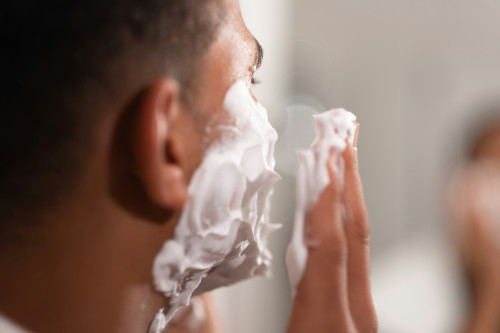
A close shave can feel clean and refreshing—but for many, it also brings redness, irritation, or razor bumps. Shaving exposes your skin to friction and sharp blades, and without proper care, that smooth finish can quickly turn uncomfortable. The good news? With a few simple steps, you can calm your skin, prevent redness, and keep it soft and healthy after every shave. Here’s how to take care of your skin the right way.
Understand Why Your Skin Reacts
When you shave, you’re not just removing hair—you’re also scraping away part of your skin’s natural protective barrier. This makes it more vulnerable to dryness, bacteria, and irritation. If you shave daily or use a dull razor, your skin may respond with redness, stinging, or ingrown hairs.
Good post-shave care is all about restoring that barrier, replenishing moisture, and soothing irritation so your skin can heal and stay balanced.
Rinse and Cleanse Thoroughly
After shaving, rinse your skin with cool or lukewarm water to remove leftover shaving cream and hair. Cool water helps close pores and reduce redness.
Avoid using regular soap right after shaving—it can strip your skin of moisture and cause stinging. Instead, choose a gentle, fragrance-free cleanser or micellar water that cleans without disrupting your skin’s natural oils.
Pat your skin dry with a clean towel—don’t rub, as friction can worsen irritation.
Apply a Soothing Aftershave or Moisturizer
A good aftershave or moisturizer is key to preventing redness. Skip products with alcohol, which can sting and dry out your skin. Look for ingredients that calm and hydrate, such as:
- Aloe vera – cools and soothes irritation.
- Panthenol or allantoin – helps heal small nicks and cuts.
- Glycerin or hyaluronic acid – locks in moisture and keeps skin soft.
- Oat or chamomile extract – reduces redness and inflammation.
Apply your moisturizer right after shaving, while your skin is still slightly damp—this helps seal in hydration.
Avoid Further Irritation
Freshly shaved skin is sensitive, so treat it gently. Avoid applying cologne, deodorant, or any alcohol-based products to the shaved area for several hours. If you’ve shaved your face, wait until your skin feels calm before applying makeup.
Wear soft, breathable fabrics if you’ve shaved your body—tight collars or synthetic materials can rub against the skin and make redness worse.
Exfoliate Regularly—but Gently
A couple of times a week, use a mild exfoliant to remove dead skin cells and prevent ingrown hairs. Choose a chemical exfoliant with AHA or BHA acids rather than a gritty scrub, which can scratch and irritate the skin.
Never exfoliate right after shaving—wait at least 24 hours to give your skin time to recover.
Læs også:


Change Your Razor Blades Often
A dull or dirty razor is one of the biggest causes of redness and irritation. Replace your blades regularly—ideally after 5–7 shaves—and rinse them thoroughly after each use. Store your razor in a dry place to prevent bacteria buildup.
If you frequently experience irritation, consider switching to an electric shaver, which can be gentler on sensitive skin.
Give Your Skin Time and Care
Even with the best technique, your skin sometimes needs a break. If you shave daily, try skipping a day now and then to let your skin recover.
With consistent care and the right products, shaving can be a comfortable, irritation-free part of your routine—leaving your skin smooth, calm, and healthy every time.
Læs også: