Light, Shadow, and Fabric: When a Dress’s Colors Come to Life

Light, Shadow, and Fabric: When a Dress’s Colors Come to Life
When light touches fabric, something almost magical happens. A dress that looks deep and muted in the shade can suddenly shimmer with new tones in the sunlight. Colors live and change—not only because of the fabric itself, but also because of the light, the surroundings, and the way the fabric moves. In this article, we explore how light, shadow, and texture work together to bring a dress’s colors to life.
The Power of Light in Color Perception
Color exists only through light. When sunlight hits a piece of fabric, some wavelengths are reflected while others are absorbed—and it’s that reflection our eyes interpret as color. That’s why a dress can look completely different depending on whether you’re standing in daylight, under indoor lighting, or in the shade.
- Natural daylight reveals the truest version of a color, showing its full range of tones.
- Warm indoor lighting—like incandescent bulbs—can make colors appear softer or more golden.
- Cool LED lighting often shifts colors toward blue, muting warmer shades.
If you’re shopping for a dress, it’s worth checking how it looks in different lighting conditions. What seems perfect in a fitting room might take on a whole new character in the afternoon sun.
The Texture and Shine of Fabric
The surface of a fabric plays a major role in how we perceive its color. A matte cotton absorbs light, giving a calm, even tone, while silk or satin reflects light, creating movement and depth.
- Matte fabrics offer a classic, understated look where color appears steady and solid.
- Shiny fabrics catch the light, making the color shift as you move.
- Textured weaves like linen or jacquard create tiny shadows that add richness and dimension.
It’s this interplay of light and texture that ensures a dress never looks exactly the same twice—it lives and breathes with its surroundings.
Shadows and the Depth of Color
Shadows aren’t just the absence of light—they’re part of the story of color. As fabric folds or moves with the body, natural shadows appear, giving the color depth and drama. A navy dress might show nearly black folds, while the raised areas glow in contrast.
Fashion designers use this effect intentionally. They choose cuts and draping that highlight the fabric’s movement, allowing the color to come alive. That’s why a dress can feel both bold and gentle, depending on how the light falls.
How Colors Change Over Time
Even the most stable color evolves with time. Sunlight can fade pigments, and washing can alter a fabric’s sheen. But rather than seeing this as a flaw, it can be viewed as part of the fabric’s life story. A well-loved dress develops a patina—a softness and subtlety that only time can create.
To help preserve your dress’s colors:
- Keep it out of direct sunlight when storing.
- Wash gently with color-safe detergent.
- Store it in a cool, dry, and dark place when not in use.
Læs også:


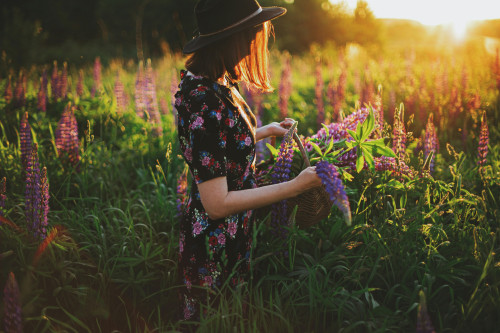

When Color Becomes Part of You
Colors don’t just change how we look—they influence how we feel. A red dress can spark confidence and energy, while a soft green can bring calm and balance. Choosing colors is, in many ways, choosing a mood.
Understanding how light, shadow, and fabric interact helps you select clothing that fits both the occasion and your personality. A dress isn’t just a piece of clothing—it’s a living expression that changes with you and the world around you.
Læs også: